Worli Art
Worli Art is one of India’s oldest tribal art forms, originating from the Warli tribe of Maharashtra, particularly in the Sahyadri region near the Maharashtra–Gujarat border. Its history dates back to around 2500–3000 BCE, and it is believed to share visual similarities with prehistoric cave paintings. Traditionally, Warli art was created by tribal women on the mud walls of huts using a mixture of rice paste and water, applied with a bamboo stick. The paintings were often made during weddings, harvests, and festivals as part of ritual and community celebrations.
The art form is known for its simple yet expressive style. Human figures are drawn using basic geometric shapes—circles, triangles, and lines—symbolizing harmony between humans and nature. Common themes include farming scenes, dancing in circular formations (tarpa dance), animals, trees, and daily village life. The central motif often represents the “Tree of Life” or mother goddess.
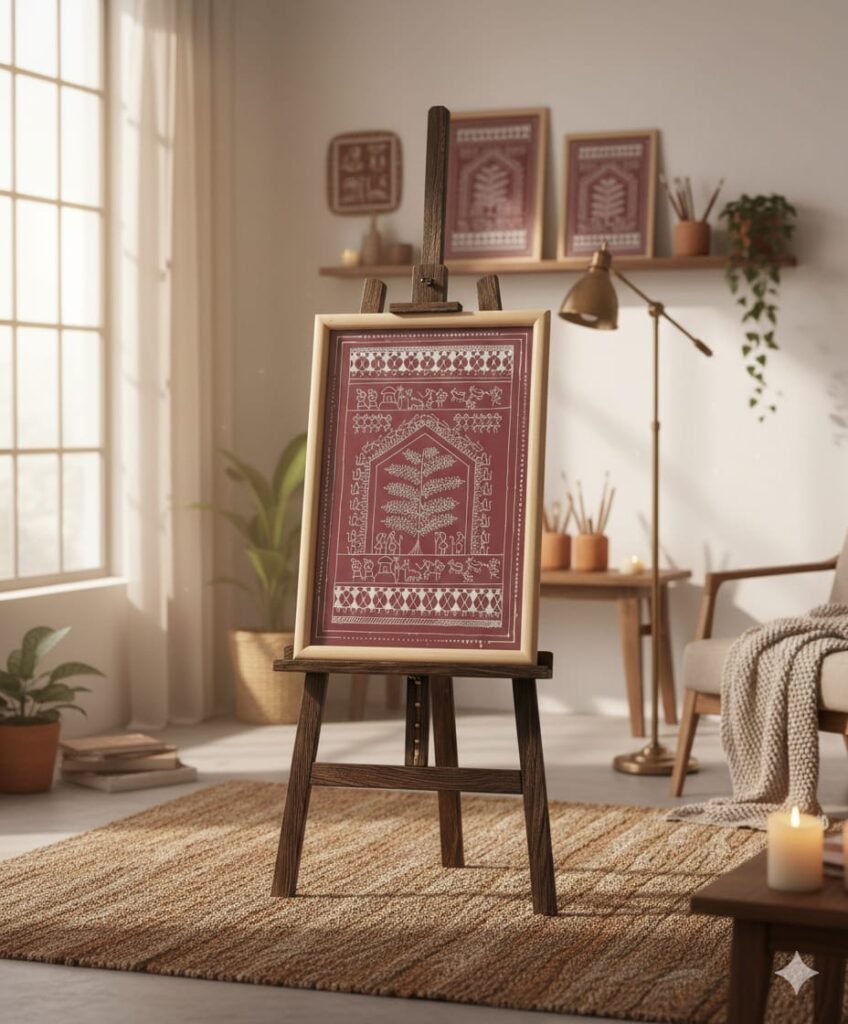
Today, Warli art has expanded beyond village walls into canvas paintings, murals, textiles, pottery, and home décor items. It is widely used in modern interior design, corporate spaces, and handicraft products. Warli art not only preserves tribal culture but also promotes sustainable and eco-friendly artistic traditions in contemporary society.
Start Your Artistic Journey Today with Artitude
Ready to explore your artistic side? Join our workshops and start creating beautiful art with us.