
Minimalist Art
Minimalist Art emerged in the late 1950s and 1960s as a reaction against the emotional intensity of Abstract Expressionism. It developed primarily in the United States, especially in New York. Artists sought to remove personal expression and focus instead on simplicity, geometry, and pure form. Prominent figures such as Donald Judd, Frank Stella, and Dan Flavin emphasized clean lines, industrial materials, and repetition. Their works often featured basic shapes like cubes, grids, and straight lines, avoiding elaborate details or symbolism.
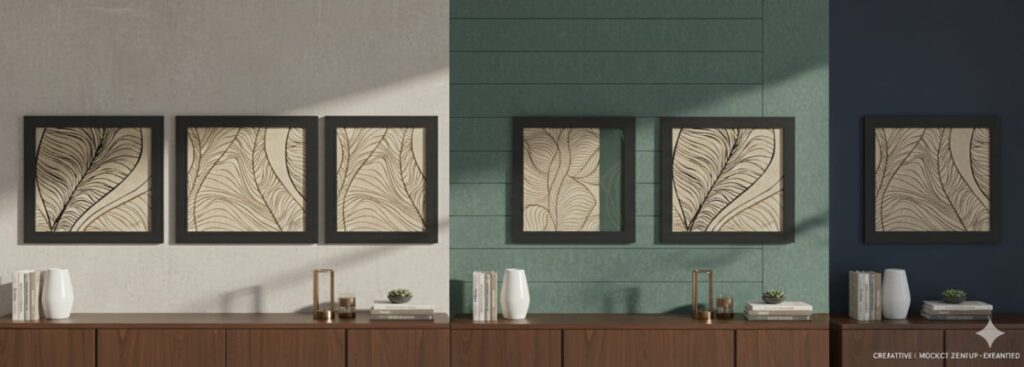
Geographically, Minimalism began in the United States but soon influenced Europe and other parts of the world. It extended beyond painting and sculpture into architecture, interior design, fashion, and graphic design.
The application of Minimalist Art today is widespread. In interiors, it appears as simple wall art, neutral color palettes, and uncluttered spaces that promote calmness and clarity. In architecture, it focuses on open spaces, natural light, and functional design. In digital media and branding, minimalism is used to create clean logos and user-friendly interfaces. Overall, Minimalist Art values the principle of “less is more,” encouraging simplicity, balance, and thoughtful use of space.
Start Your Artistic Journey Today with Artitude
Ready to explore your artistic side? Join our workshops and start creating beautiful art with us.